🧬 Why Vitamin Testing Is More Important Than You Think
A Vitamin Profile Test is a comprehensive blood test that helps detect deficiencies of essential vitamins such as Vitamin D and Vitamin B12. In today’s fast-paced lifestyle, many people unknowingly suffer from vitamin deficiencies. As a result, symptoms like fatigue, hair fall, weakness, and frequent illness become common. Therefore, undergoing a Vitamin Profile Test helps identify deficiencies early and prevents long-term health complications.
Feeling tired even after 8 hours of sleep?
Frequent hair fall?
Mood swings?
Body pain without reason?
These are not “normal stress symptoms.”
They are often early signs of vitamin deficiencies.
Modern lifestyle, processed food, stress, and poor sun exposure have made Vitamin D, B12, and other deficiencies extremely common in India.
A simple blood test can detect the problem before it becomes serious.
What Is a Vitamin Profile Test?
A Vitamin Profile Test is a blood test that checks levels of essential vitamins in your body, such as:
-
Vitamin D
-
Vitamin B12
-
Vitamin B9 (Folate)
-
Vitamin A
-
Vitamin E
-
Others (based on panel selected)
These vitamins are essential for:
✔ Energy production
✔ Brain function
✔ Immunity
✔ Bone strength
✔ Hormone balance
Why Is a Vitamin Profile Test Important
Firstly, vitamins play a critical role in immunity, bone health, and energy production. However, vitamin deficiencies often show no early symptoms. Therefore, many people remain unaware of the problem. Moreover, untreated deficiencies can lead to serious health issues over time. For this reason, a Vitamin Profile Test is essential for early detection and preventive care.
You should consider testing if you experience:
-
Constant fatigue
-
Hair thinning or hair fall
-
Weak immunity
-
Frequent infections
-
Muscle pain
-
Bone pain
-
Tingling in hands & feet
-
Depression or low mood
-
Poor concentration
Many patients ignore these signs until the deficiency becomes severe.
Early testing prevents long-term complications.
Understanding Your Vitamin Profile Test Results
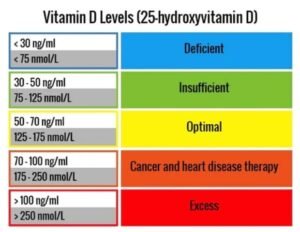
🟢 Normal Range
Your vitamin levels are adequate. Maintain a healthy diet and lifestyle.
🟡 Borderline Low
You may not feel symptoms yet, but your body is under stress. Early correction is recommended.
🔴 Deficient
This requires medical guidance, supplements, and sometimes further investigation.
At Krishna Diagnostics, we provide:
✔ Accurate reports
✔ Quick turnaround time
✔ Clear reference ranges
✔ Doctor consultation guidance (if required)
According to the World Health Organization (WHO), micronutrient deficiencies are one of the most common hidden health problems globally.
👉 https://www.who.int/health-topics/micronutrients
The NIH Office of Dietary Supplements also states that Vitamin D and B12 deficiencies are increasingly seen due to modern indoor lifestyles.
👉 https://ods.od.nih.gov/factsheets/VitaminD-Consumer/
🦴Why Vitamin D & B12 Deficiency Is So Common
Vitamin D Deficiency
Even in sunny in nizampet, many people are deficient due to:
-
Indoor lifestyle
-
Sunscreen overuse
-
Pollution
-
Sedentary work
Low Vitamin D can lead to:
-
Weak bones
-
Back pain
-
Fatigue
-
Low immunity
Vitamin B12 Deficiency
Common in:
-
Vegetarians
-
Elderly individuals
-
People with gastric issues
Low B12 may cause:
-
Nerve weakness
-
Memory issues
-
Tingling sensation
-
Severe fatigue
Who Should Get a Vitamin Profile Test?
-
Working professionals
-
IT employees
-
Students
-
Elderly individuals
-
Women with hair fall issues
-
Diabetic patients
-
Thyroid patients
-
Anyone with unexplained fatigue
Preventive health testing is smarter than treating advanced disease.
In addition, regular testing helps track improvements after supplementation. Similarly, people with lifestyle stress or dietary restrictions benefit from periodic screening. Meanwhile, early diagnosis allows timely medical intervention. Consequently, overall health outcomes improve significantly.
According to the World Health Organization (WHO), micronutrient deficiencies are a major global health issue.WHO – Micronutrient Deficiency
Click Here for NIH Vitamin D Fact Sheet
⏳ How Often Should You Test?
-
Once a year (preventive)
-
Every 6 months if previously deficient
-
As advised by your doctor
You may also consider a Full Body Health Checkup for comprehensive screening.
📍 Why Choose Krishna Diagnostics?
At Krishna Diagnostics, we focus on:
✔ Precision testing
✔ Automated analyzers
✔ Hygienic sample collection
✔ Transparent pricing
✔ Trusted local laboratory
We believe:
“Right Test. Right Time. Right Diagnosis.”
Book a Vitamin Profile Test at Krishna Diagnostics,Nizampet – Book Now
Don’t ignore what your body is trying to tell you.
A small blood test today can prevent major health issues tomorrow.
Frequently Asked Questions (FAQs)
1. What is included in a Vitamin Profile Test?
It typically includes Vitamin D, Vitamin B12, and Folate levels. Some panels may include additional vitamins.
2. How long does it take to get results?
Most results are available within 24 hours.
3. Do I need fasting for a Vitamin Profile Test?
Fasting is usually not required, but confirm with your lab.
4. What is the Vitamin Profile Test price?
The price depends on the panel selected. Contact Krishna Diagnostics for latest pricing.
In conclusion, a Vitamin Profile Test is a simple yet powerful tool for preventive healthcare. Ultimately, early testing reduces complications and medical costs. Therefore, booking a Vitamin Profile Test at Krishna Diagnostics ensures accurate diagnosis and peace of mind.
📍 Visit Krishna Diagnostics
📞 Call: 98843 65365
🌐 https://thekrishnalabs.in