
What is a Haemogram?
A haemogram is a common blood test. It checks the different parts of your blood. Many people also call it a complete blood count or CBC. This test gives your doctor important information about your health. For example, it can show if you have an infection or anemia. Because it is simple and quick, doctors often use it as a first step to check your health.
Why is a Haemogram Done?
Doctors order a haemogram for many reasons. Sometimes, you may feel tired or weak. Other times, you might have a fever or signs of infection. In these cases, a haemogram test can help find the cause. Additionally, it can help check for problems like bleeding or blood disorders. Often, it is part of a routine health check-up.To check for infectionsTo find anemia or low blood countTo detect blood clotting problemsTo monitor ongoing health conditionsTo check your health before surgery
Key Components of a Haemogram
A haemogram looks at several parts of your blood. Each part gives different clues about your health. Let’s look at the main components:Red Blood Cells (RBC): These carry oxygen in your body. Low RBC may mean anemia.Hemoglobin (Hb): This is the protein in RBC that holds oxygen. Low hemoglobin can also mean anemia.White Blood Cells (WBC): These fight infections. High or low WBC can show infection or other problems.Platelets: These help your blood clot. Low platelets may cause bleeding. High platelets can lead to clotting issues.Hematocrit (HCT): This shows the percentage of blood made up by RBC.MCV, MCH, MCHC: These values help doctors learn more about your red blood cells’ size and shape.
How is the Test Performed?
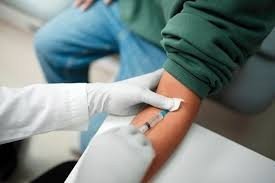
Getting a haemogram is simple. First, a nurse or technician will clean your arm. Next, they will use a small needle to take a blood sample from a vein. Usually, this takes just a few minutes. After that, your blood goes to a lab for testing. Most people feel only a quick pinch. You can return to your normal activities right after the test.
Understanding Your Haemogram Results
When you get your haemogram results, you will see numbers for each part of your blood. But what do these numbers mean? Here is a simple guide:Normal Range: Most labs show a normal range for each value. If your number is inside this range, it is usually normal.High or Low Values: If a value is too high or too low, it may point to a health problem. For example, low hemoglobin can mean anemia. High WBC can mean infection.What to Do: Always talk to your doctor about your results. Sometimes, small changes are not serious. However, your doctor can explain what your results mean for you.
Remember, many things can affect your blood test results. For instance, medicines, diet, or even stress can change your numbers. Therefore, it is important to let your doctor know about any changes in your health.
When Should You Get a Haemogram?
Doctors may suggest a haemogram in many situations. For example, you might need one if you:Feel tired or weak without a clear reasonHave a fever that does not go awayNotice unusual bleeding or bruisingAre about to have surgeryHave a long-term illness, like kidney diseaseNeed a regular health check-up
Even if you feel healthy, regular blood tests can help catch problems early. Early detection often leads to better treatment.
Frequently Asked Questions
Is fasting needed for a haemogram?Usually, you do not need to fast. However, your doctor will tell you if you need to.How long do results take?Most labs give results within a day. Sometimes, it may take longer.Can medicines affect my haemogram?Yes, some medicines can change your blood counts. Always tell your doctor about any medicines you take.Is the test safe?Yes, the haemogram is safe. Side effects are rare and usually mild, like a small bruise.
Conclusion and Next Steps
In summary, a haemogram is a simple but powerful blood test. It helps doctors find many health problems early. If you have questions about your haemogram results, do not worry. Instead, consult a healthcare professional at Krishna Diagnostics for personalized advice about your haemogram results. Early action can help you stay healthy.